
Twin-Globe Aroma Lamp
The lens tool illustrates a formed optical surface. Parting lines for the twin globes require review of the proposed drawing.
Compare 20 product concepts with documented tooling examples. Each card explains the relationship and links to the maker’s source photographs.
The lens tool illustrates a formed optical surface. Parting lines for the twin globes require review of the proposed drawing.

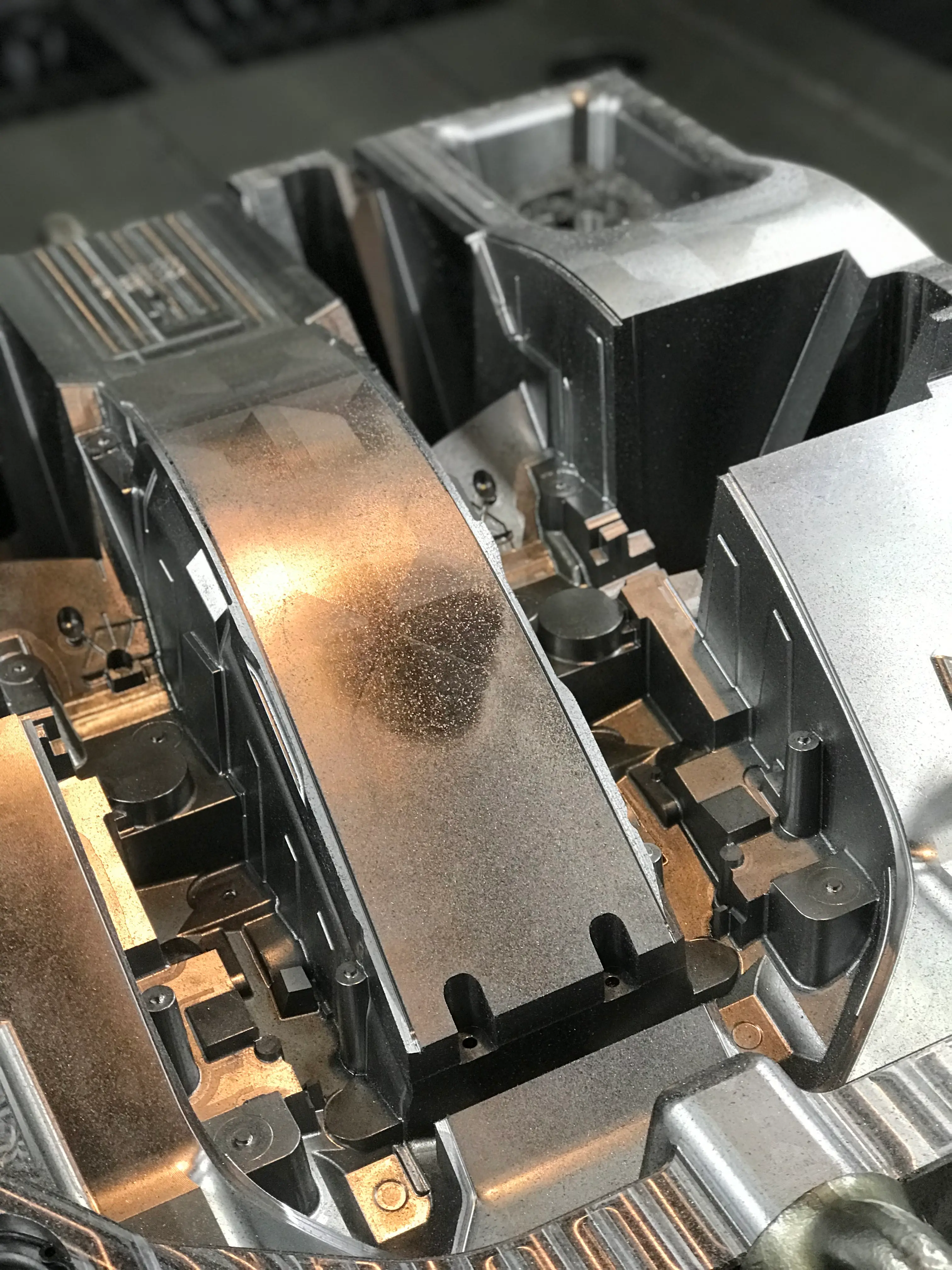
This photo shows polishing on a curved optical mold component. The crescent shade needs its own optical and matte surface definitions.

The photo illustrates a detailed optical mold core. Inner and outer bell surfaces and draft need a dedicated review.

The disc tool demonstrates a comparable flat circular part. Radial grooves, gating, and the mist opening require a separate layout.

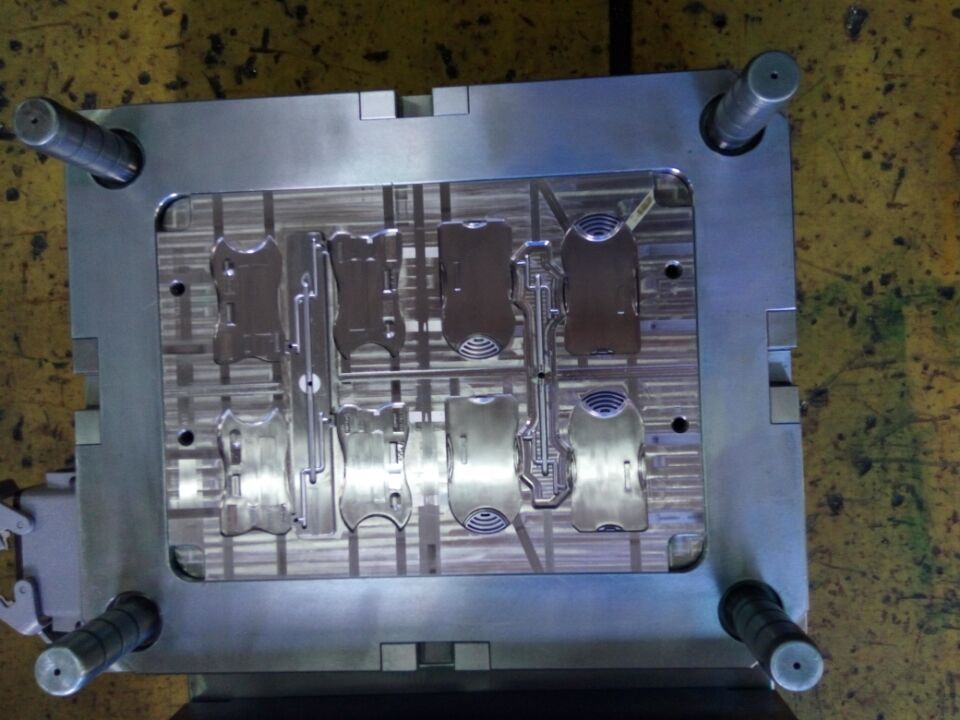
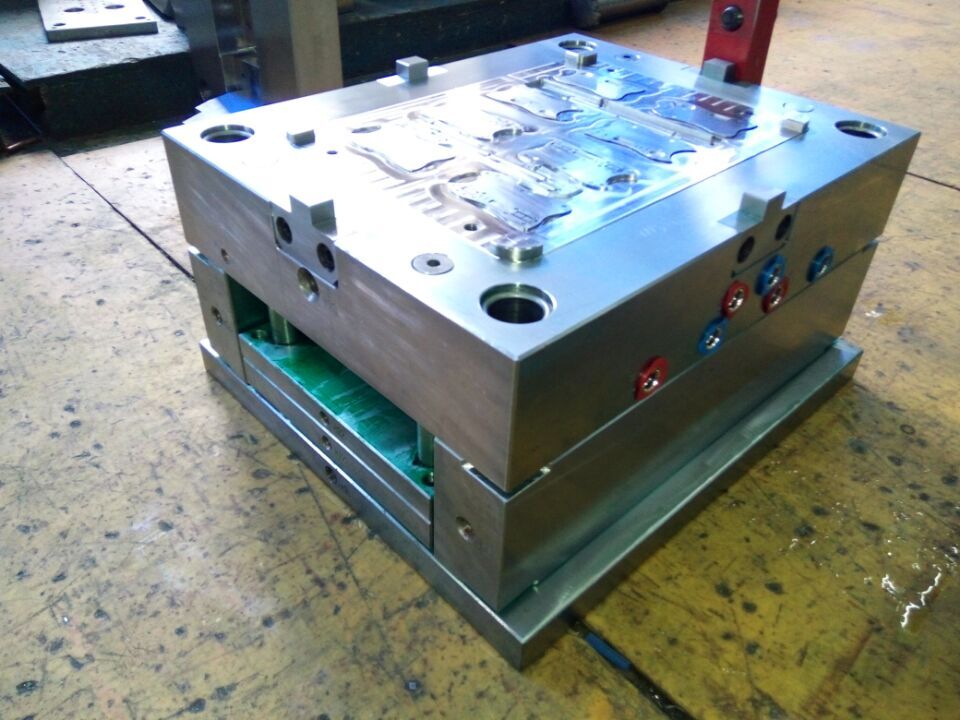
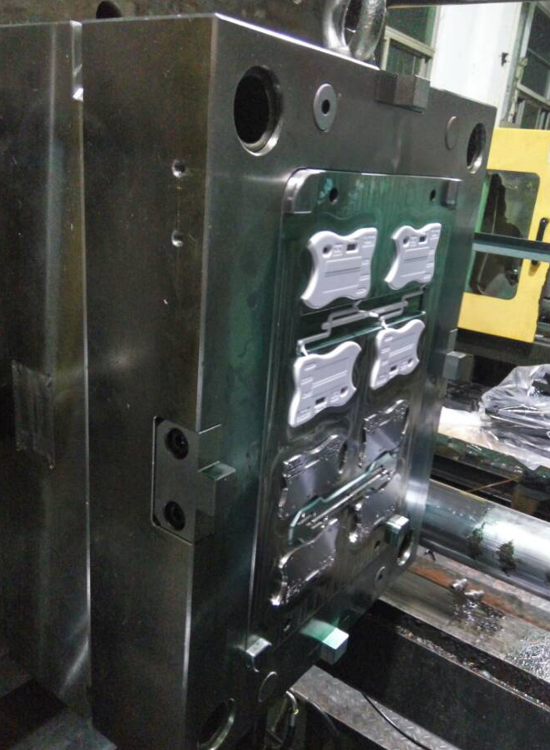
The upper and lower impressions provide a reference for discussing the snap points and seam on the split-arc housing.

The two-housing mold illustrates paired tooling. The long enclosure needs its own seam and internal rib review.

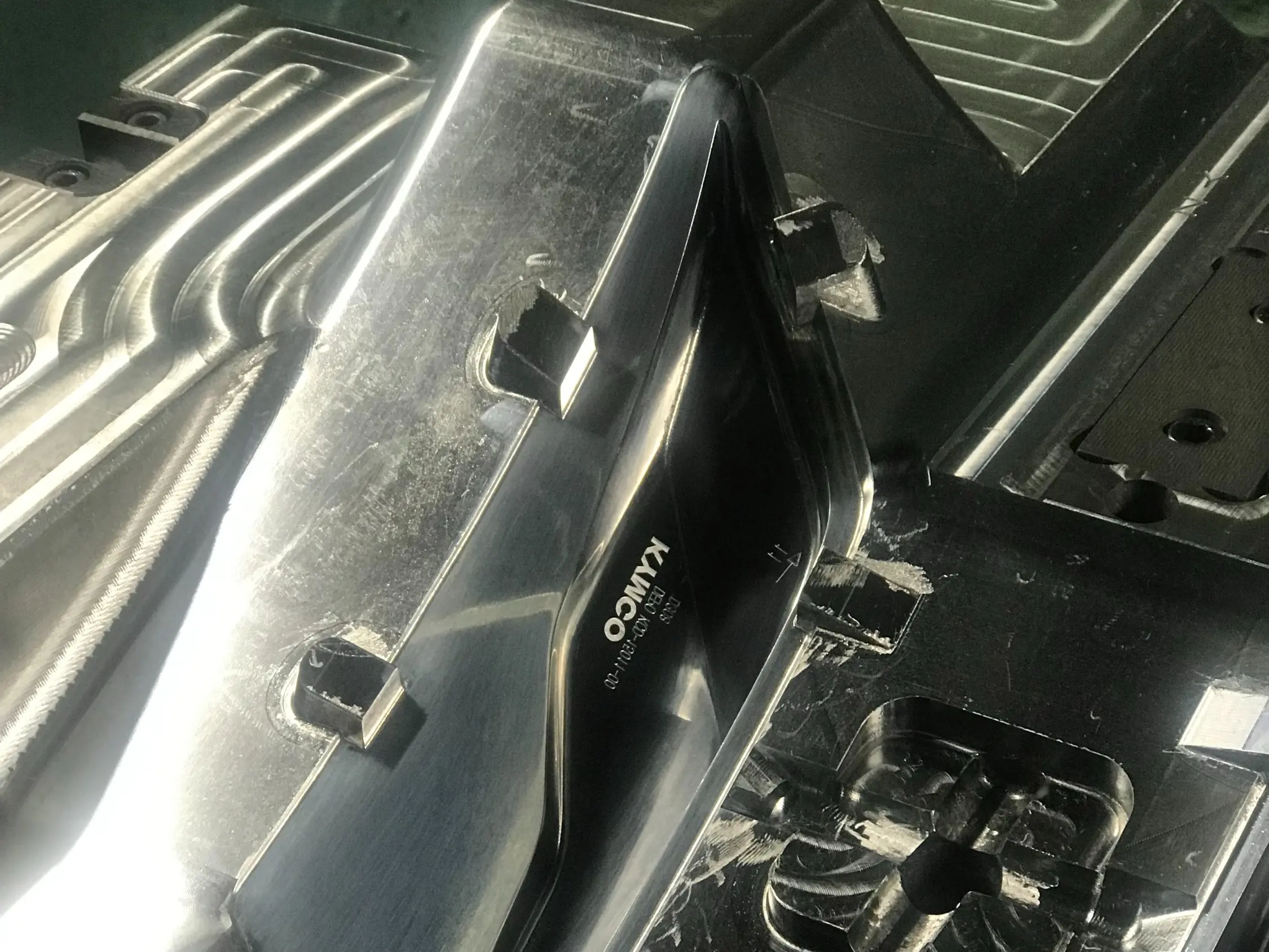
The automotive tooling illustrates colored and optical areas. The diffuser ring can be reviewed for separate assembly or multi-material molding.

The open tubular-housing tool shows comparable hollow shell cores. Ejection, shrinkage, and wall thickness need review for the wider bowl.

This transparent reservoir project provides context for deep cavities and cosmetic surfaces. Corners, sealing, and dimensions need review for the square opening.

The curved optical tooling is a reference for the visible window. Reservoir sealing is a separate design question.

The clear pitcher tooling helps frame a discussion of surface finish and release. The reservoir requires its own geometry, dimensions, and resin choice.

The closure tooling provides a reference for cap core construction. Review the diffuser cap threads and seal against the matching reservoir.

The round perforated mold photo shows a comparable opening pattern. The diffuser needs its own hole count, layout, and production method.

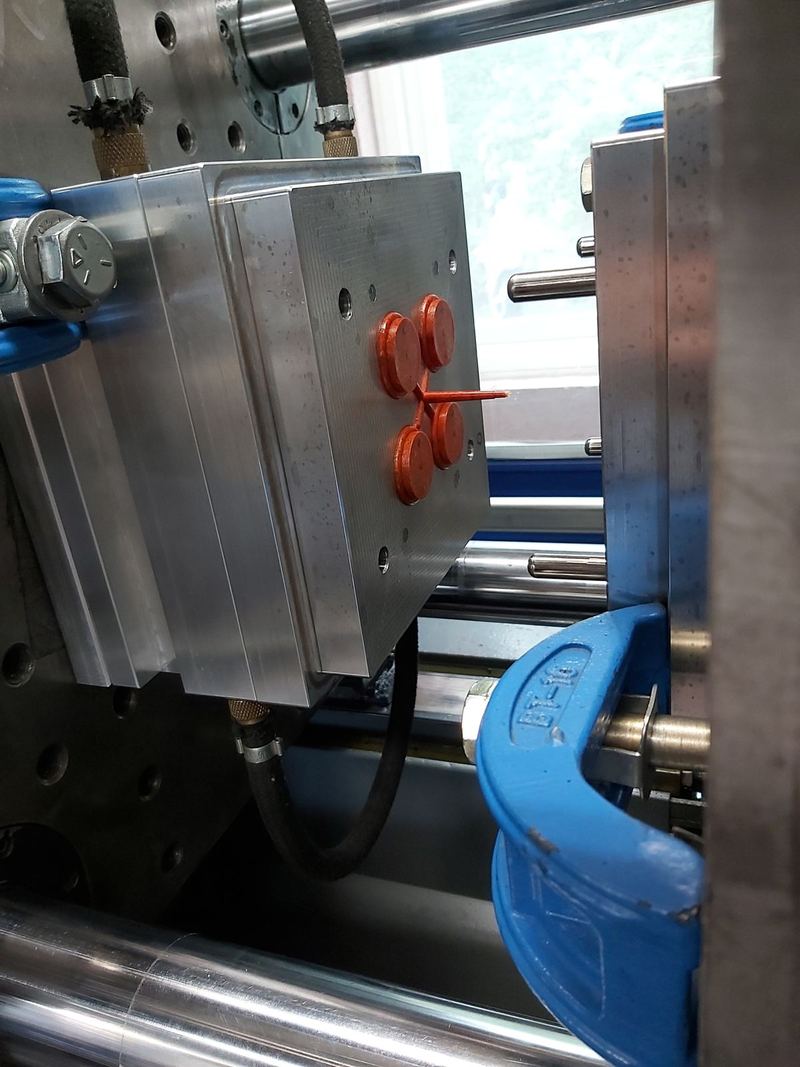
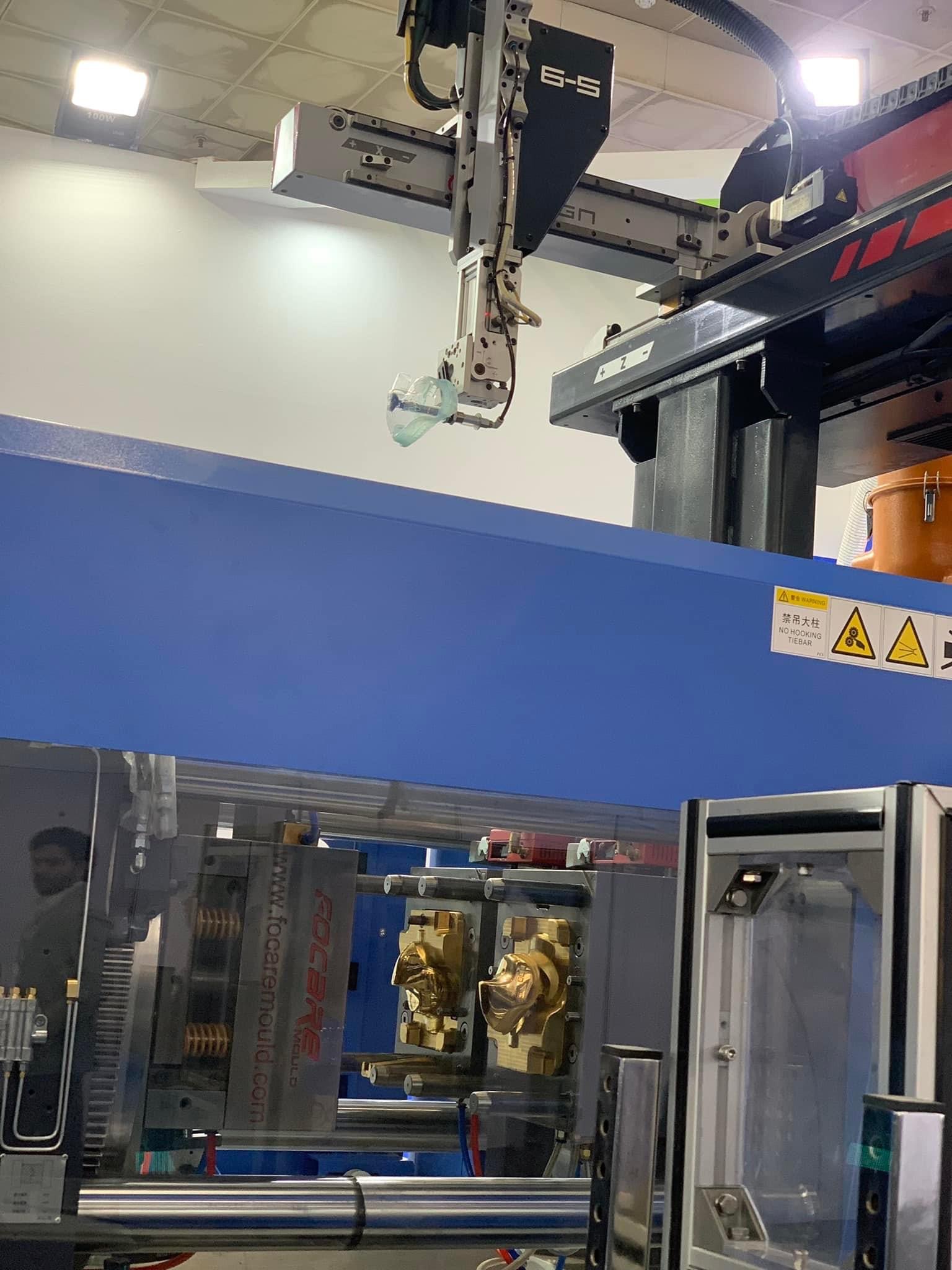
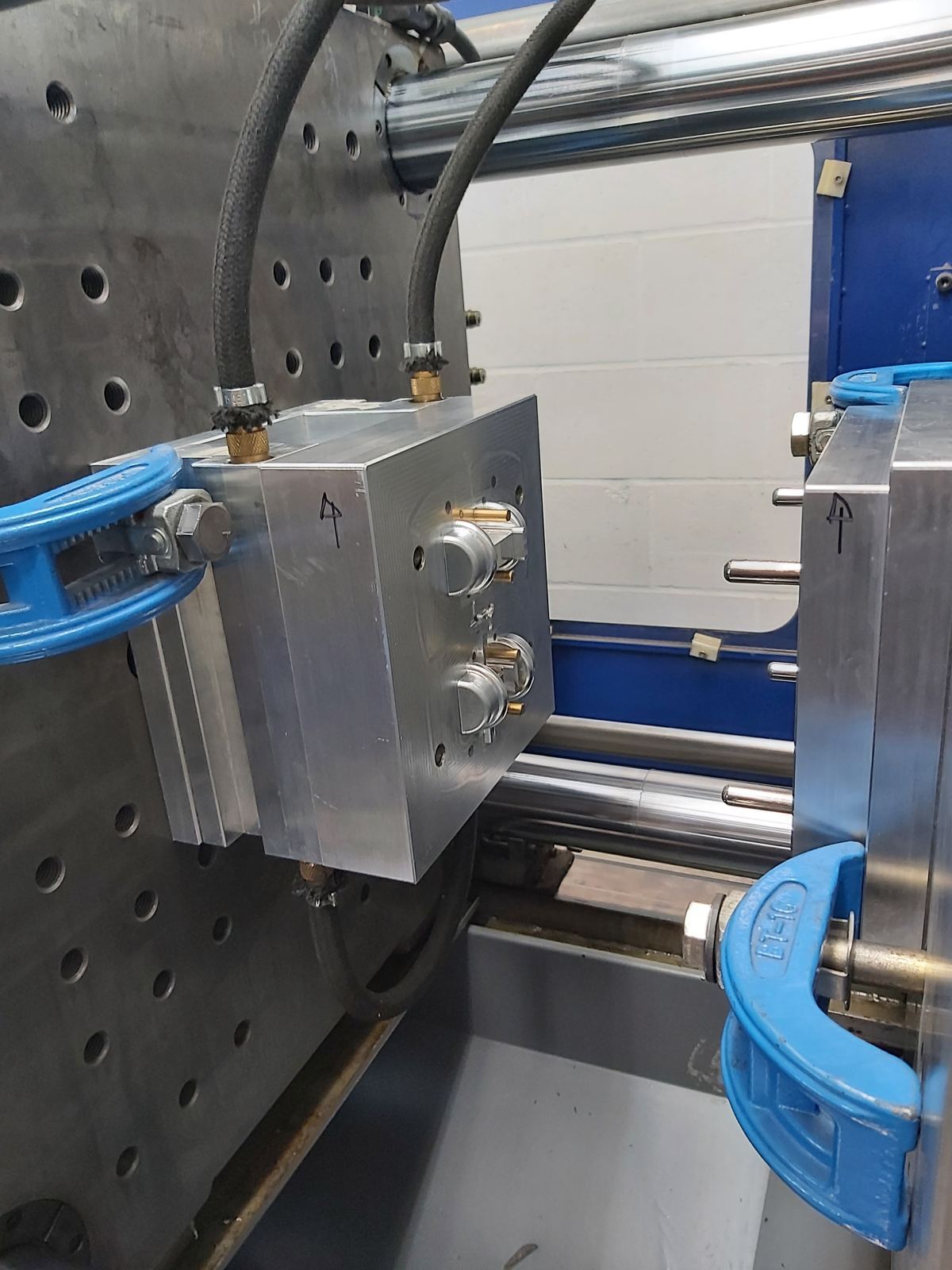
The in-press tool is a reference for small molded parts. Venting, flash control, and fit at the offset outlet depend on the cover design.

The circular cavity provides a reference for an annular shell transition. The flange, mounting points, and feet require their own review.

The coffee-machine tool illustrates the two halves of an appliance mold. Wall mounting and removal need separate structural review.

The molded rectangular frame is relevant to a panel with an opening. Review the alignment tolerance of the display, buttons, and enclosure together.

The visible round cavity is a shape reference. Rotary clearance, feel, and cosmetic finish depend on this design.

The press photo is a reference for small split shells. Review the hexagonal seam, ejection direction, and vehicle fit on their own terms.

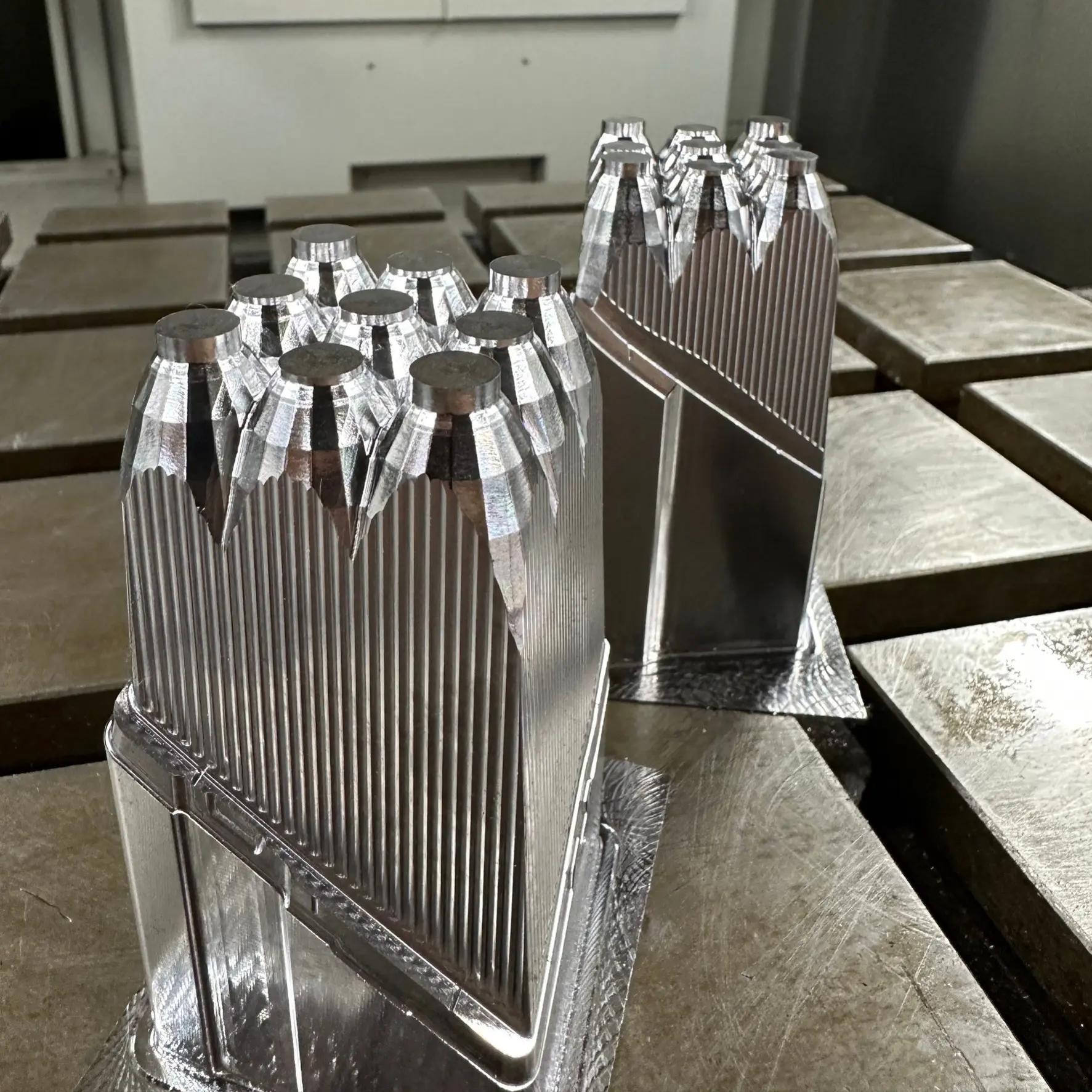
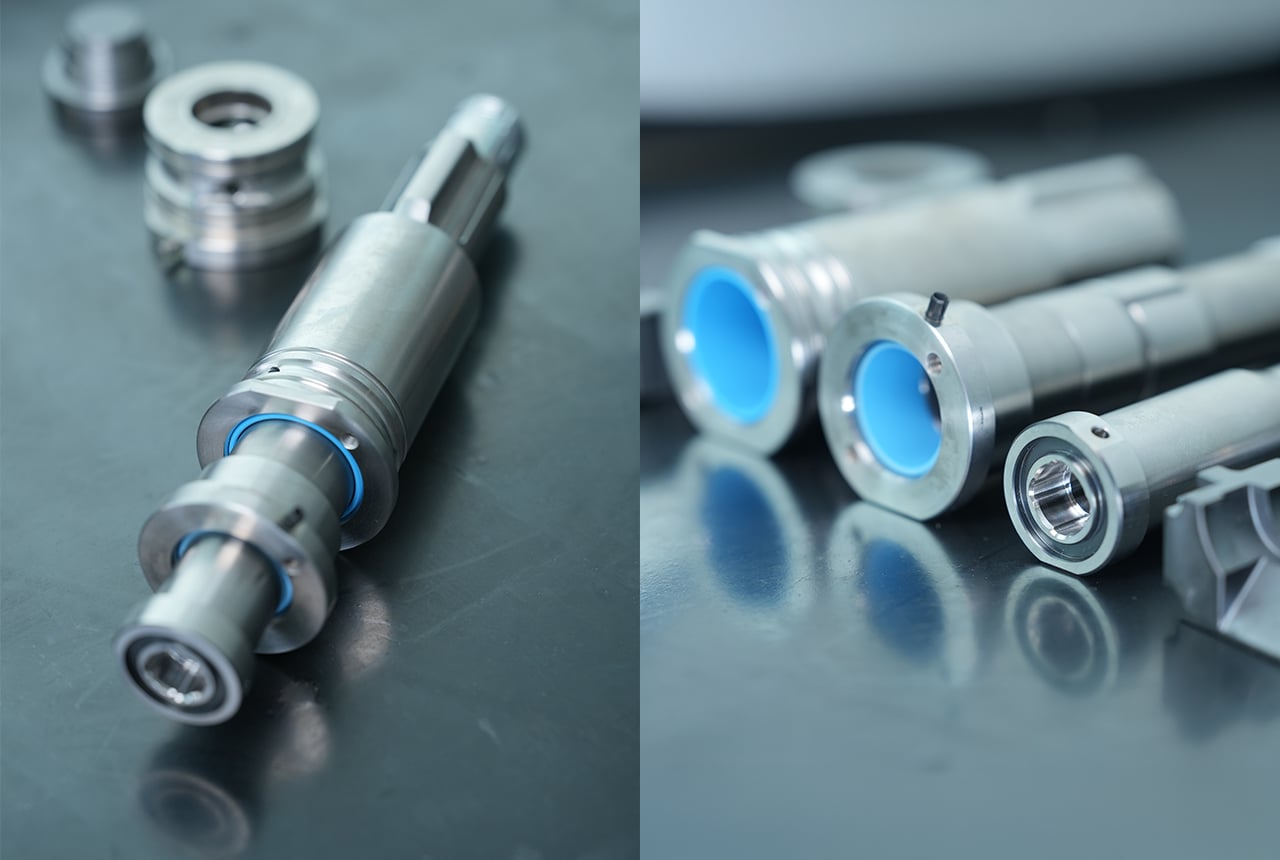
The tool illustrates a long core for a tubular part. Snap features, outside finish, and wall thickness changes require review on the vehicle concept.